Homeschool Tips Neurodiversity

How to Make Learning Fun for Kids Who Hate School (Simple Strategies That Actually Work)

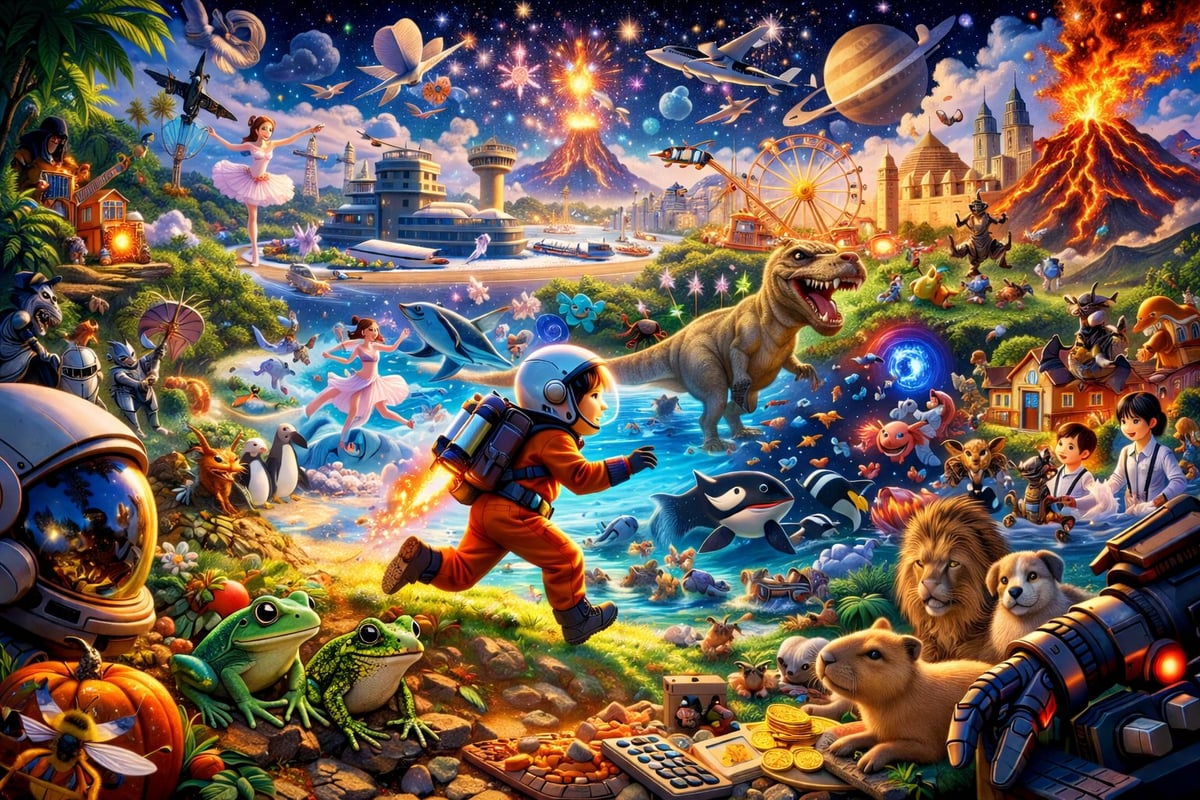
Colorful digital artwork depicting an adventurer exploring diverse fantastical worlds with planets, dinosaurs, castles, volcanoes, and magical creatures throughout a sprawling landscape.

Struggling with a child who hates school? Discover simple, effective ways to make learning fun, engaging, and stress-free with hands-on activities and unit studies.

If you're new to this approach, you can also read What Is a Unit Study and How to Get Started.

If Your Child Hates School, You're Not Alone

If your child complains about school, avoids learning, or says they're bored — you're not doing anything wrong.

Many kids struggle with traditional learning because it often feels:

  • Too rigid
  • Too repetitive
  • Too disconnected from their interests

The good news?
Learning doesn't have to look like school to be effective.
In fact, when learning feels like play, curiosity naturally takes over.

Why Some Kids Dislike Traditional Learning

Before fixing the problem, it helps to understand it.
Kids often resist learning when:

  • They don't feel interested in the topic
  • They're expected to sit still for too long
  • The material feels too easy… or too hard
  • There's no creativity or hands-on involvement

👉 The solution isn't forcing more worksheets.

👉 It's changing how learning happens.

7 Simple Ways to Make Learning Fun Again

1

Follow Their Interests First

Instead of starting with what they should learn, start with what they love. If your child is interested in animals, explore ocean animals, sharks, or rainforest animals. If they love space, dive into the solar system or outer space. If they're into machines, try simple machines or mighty machines. When kids are interested, they're naturally motivated to learn more.

2

Turn Learning Into an Adventure

Kids love stories and experiences. Instead of saying "Today we're learning about geography," try "We're going on a world adventure today." You can explore continents and oceans, famous landmarks, and homes around the world. Framing matters more than you think.

3

Use Hands-On Activities

Kids remember what they do, not what they're told. Try understanding simple machines, finding out how plants grow, cooking simple recipes, or exploring science. Hands-on learning makes concepts stick without frustration.

4

Keep Lessons Short and Flexible

Attention spans vary — especially for younger kids. Instead of long sessions, break learning into 15–30 minute chunks, stop while they're still engaged, and let curiosity lead the pace. This keeps learning from feeling overwhelming.

5

Mix Subjects Together

Real learning doesn't happen in isolated subjects.

For example:

When subjects connect, learning feels natural instead of forced.

6

Let Kids Have Choices

Giving kids control increases motivation instantly. Let them choose the topic, the activity, or the order of learning. Even small choices make a big difference.

7

Use Unit Studies (The Game-Changer)

One of the easiest ways to make learning fun is through unit studies. A unit study focuses on one exciting topic and blends multiple subjects into it.

For example:

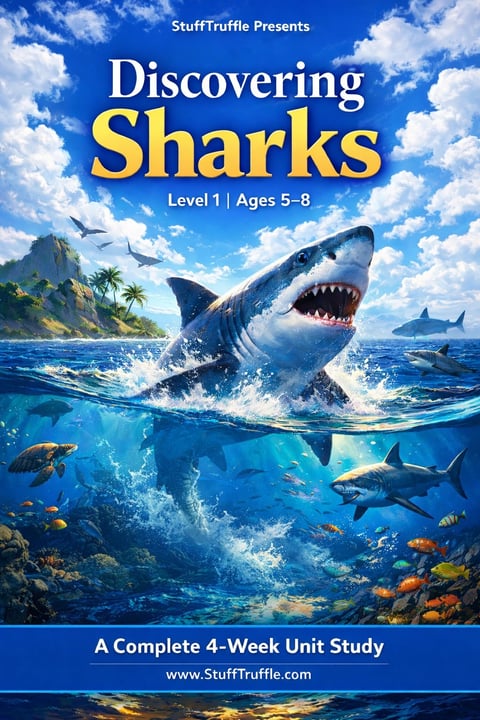
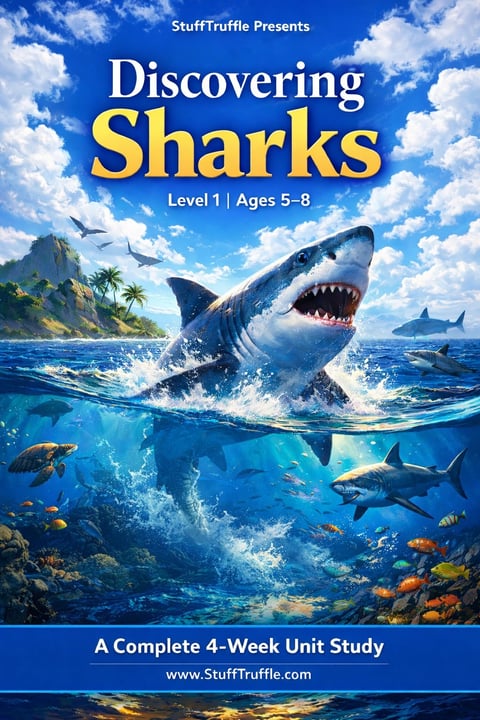
  • A sharks unit like Discovering Sharks can include science, reading, writing, and art
  • A space unit like Outer Space can include math, history, and exploration
  • A cooking unit like Cooking Basics can include measurement, chemistry, and creativity

This approach keeps kids engaged because everything connects.

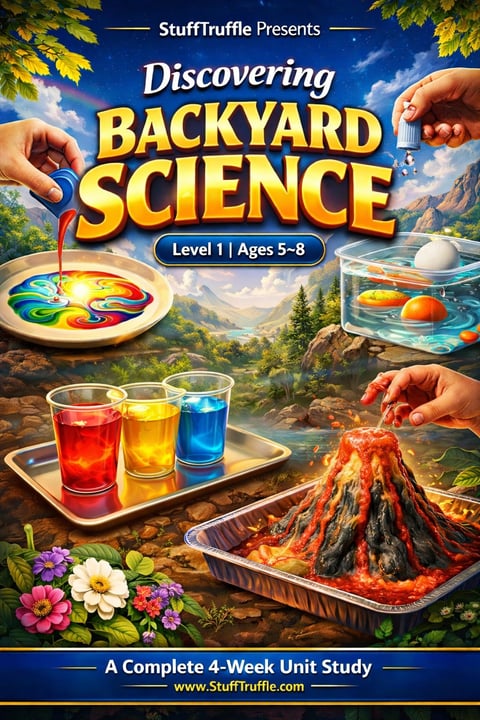
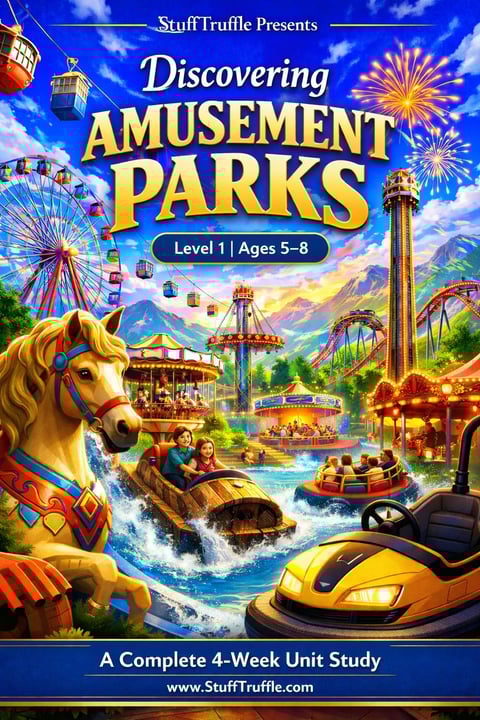
Examples of Fun Learning Topics Kids Love

If you're not sure where to start, here are some high-interest ideas that naturally spark curiosity and excitement:

These topics naturally invite exploration across multiple subjects — science, reading, math, art, and more.

Start with a Favorite and See Where It Leads

One of the best ways to spark a love of learning is to follow your child's natural interests. When kids are excited about a topic, everything else — reading, writing, science, math — flows naturally from there.

The Goal Isn't Perfect Learning — It's Consistent Curiosity

When kids enjoy learning, they ask more questions, stay engaged longer, and build confidence. And most importantly…

👉 They stop seeing learning as something to avoid.

Found this helpful? Share it with other parents!

Ready to Make Learning Fun Again?

Start with a topic your child already loves and turn it into a full learning adventure.

Browse All Unit Studies Here